Freelance Productivity: Time Blocking, Deep Work, and the 4-Hour Day Myth
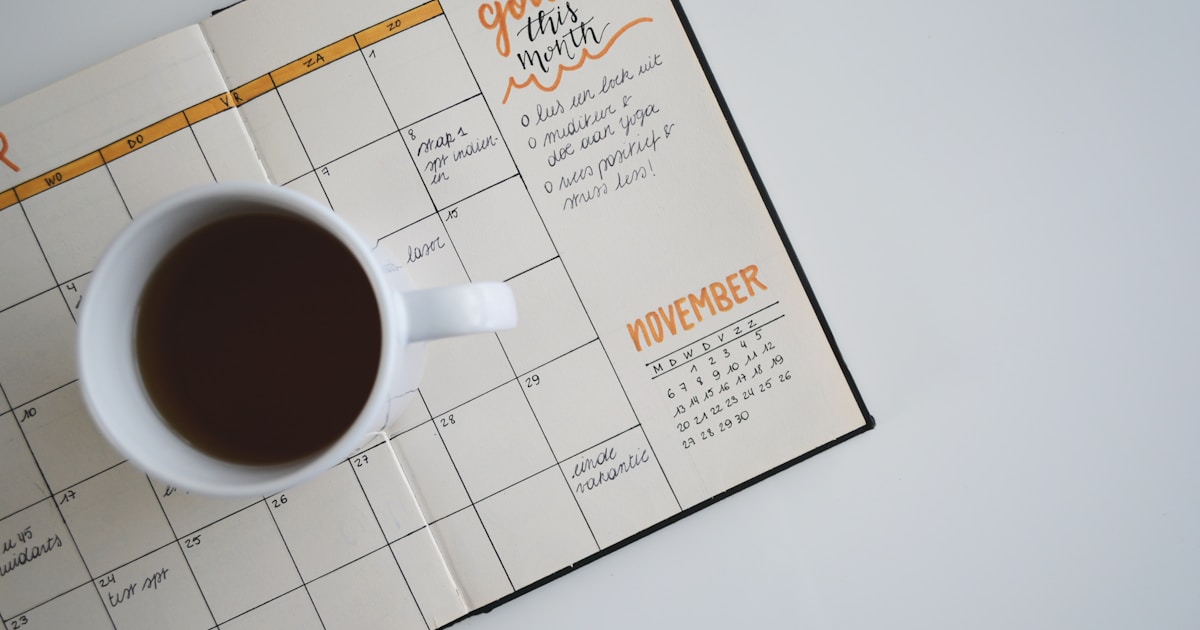
Productivity content for freelancers oscillates between two extremes: "hustle 14 hours a day" and "work 4 hours and have it all." Both are lies. Here's a realistic framework — based on how senior freelancers actually structure their weeks — that ships great work without burning out.
The Output Gap
A typical freelancer who tracks time honestly logs 18-26 hours of billable work per 40-hour week. The rest evaporates into context switching, admin, communication, and decision fatigue.
That gap — between hours worked and hours that produced value — is the real productivity problem. Working more hours rarely fixes it. Restructuring how the existing hours are used does.
"Efficiency is doing things right. Effectiveness is doing the right things. The freelancer who optimizes for the first without the second is just running faster on a treadmill." — Adapted from Peter Drucker
Time Blocking: The Calendar Is Your Boss
Time blocking means assigning every hour of your workday a specific job, in your calendar, before the day starts. Instead of "I'll work on Project X today" — which dissolves into reactive email-checking — you have "9am-11:30am: Project X wireframes."
Done well, time blocking does three things:
- Forces you to estimate work realistically (most freelancers chronically under-estimate)
- Eliminates "what should I do next?" decision fatigue 30 times per day
- Makes meetings visible costs, not invisible interruptions
A Sample Time-Blocked Day
- 8:00-8:30 — Email triage, only urgent items
- 8:30-11:00 — Deep work block #1 (Project A, hardest task of the day)
- 11:00-11:15 — Break, no screens
- 11:15-12:30 — Deep work block #2 (Project B)
- 12:30-13:30 — Lunch + walk
- 13:30-15:00 — Client calls / meetings
- 15:00-16:30 — Deep work block #3 (Project A, second half)
- 16:30-17:00 — Admin: invoices, follow-ups, tomorrow's plan
- 17:00 — Hard stop
The Deep Work Block
The cognitive science is consistent: the highest-value work happens in 90-120 minute focused blocks, not in scattered 15-minute slices. A senior freelancer with two great deep work blocks per day will out-produce a competitor working 10 hours of interruption-laced "flexible time."

The Deep Work Rules
- Phone in another room, not just face-down
- Slack, email, and notifications closed
- One specific deliverable in the block — not "work on the project"
- Browser tabs limited to what's needed for that task
- Pre-decide what "done" looks like for the block
Energy Management Beats Time Management
Every hour of your day does not have equal cognitive value. Your strongest focus window is personal: notice when you do complex work well, then protect that time for high-value work instead of defaulting to email.
Map your week:
- Highest energy: Strategy, hardest creative work, complex coding
- Medium energy: Client meetings, proposals, drafts
- Lowest energy: Email, invoicing, admin, social media
Then schedule each type of work in its matching energy window.
The Anti-Productivity Habits
Multi-Tasking
Multi-tasking is just rapid context-switching, and each switch costs an average of 23 minutes to fully recover focus. "Just checking Slack while I work" is the single most productivity-destroying habit in freelance work.
Permanent Inbox Tabs
If your email or Slack is always open, you're not working — you're standing by. Both should be checked deliberately, 2-4 times per day, never as ambient background.
Saying Yes to Same-Day Meetings
Every same-day meeting fragments two deep work blocks (the one you cancel and the one after that takes 30+ minutes to re-enter). Default response: "Happy to chat — earliest I have is tomorrow afternoon." Almost no client truly needs the meeting today.
Working Without a Weekly Plan
Spend 30 minutes every Sunday or Monday morning planning the week. Without it, you'll spend 30 minutes every day figuring out what to do next.
The Honest 4-Hour Day
You can have a 4-hour focused workday. You cannot have a 4-hour total workday and run a serious freelance business. The math doesn't work — proposals, calls, admin, follow-ups, finances, and learning all add overhead beyond billable execution.
A realistic target for an experienced solo freelancer:
- 4 hours of deep, billable work
- 2 hours of calls, meetings, and communication
- 1 hour of admin (proposals, invoicing, finance, follow-up)
- 1 hour of growth (learning, content, business development)
= 8-hour day, but only 4 of those need to be cognitively brutal.
Tools That Reduce Admin Time
Proposal writing, agreement review, and invoice tracking can consume a meaningful part of a freelance week. Software that templates these workflows can reduce repetitive administration:
- Proposal tools with reusable blocks and templates
- Automatic e-signatures (no print/scan cycle)
- Invoicing tied to project signing (no manual data entry)
- Automated follow-up reminders
Proposalio supports reusable proposals, electronic signing, invoice creation, and configurable follow-up workflows. Sign up free to evaluate that workflow for your projects.